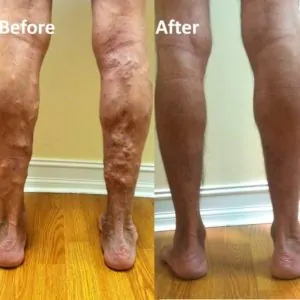
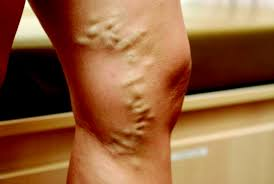
Varicose veins are twisted, enlarged veins. Any vein that is close to the skin’s surface (superficial) can become varicosed. Varicose veins most commonly affect the veins in the legs. That’s because standing and walking increase the pressure in the veins of the lower body.
For many people, varicose veins and spider veins — a common, mild variation of varicose veins — are simply a cosmetic concern. For other people, varicose veins can cause aching pain and discomfort. Sometimes varicose veins lead to more-serious problems.
Treatment might involve self-care measures or procedures done by a health care provider to close or remove veins.
What are its symptoms
Varicose veins might not cause pain. Signs of varicose veins include:
Veins that are dark purple or blue
Veins that appear twisted and bulging, often appearing like cords on the legs
When painful signs and symptoms of varicose veins occur, they might include:
An achy or heavy feeling in the legs
Burning, throbbing, muscle cramping and swelling in the lower legs
Worsened pain after sitting or standing for a long time
Itching around one or more of the veins
Changes in skin color around a varicose vein
Risk factors of Varicose Veins
As stated above, many patients are asymptomatic and show no signs. You may be more likely to have May-Thurner Syndrome if you:
Are female
Have recently had a baby
Take oral birth control
Have scoliosis
Have any condition that causes your blood to clot regularly