Deep Venous Reconstruction
What is it and when is it needed?
Deep venous reconstruction is a complex endovascular or surgical procedure performed in advanced cases of:
- Deep vein thrombosis This is a condition that occurs when a blood clot forms in a vein deep inside the body. Deep vein thrombosis normally occurs in the thighs or lower leg but may also occur in other parts of the body.
- Deep venous insufficiency This is a medical condition that occurs when veins are unable to transport blood from the limbs to the heart. Deep venous insufficiency may cause blood to flow backwards, which results in the blood pooling in the legs.
- Lower limb venous ulcers These are ulcers that occur when the venous blood cannot properly drain from the limbs back to the heart. It is usually secondary to deep vein thrombosis (blood clots). When venous ulcers form, it indicates severe damage to the vein walls and valves and may be associated with complete blockage of the deep veins and varicose veins.
When is it needed?
Depending on the age, symptoms and severity of the condition, the following may be recommended:
- Endovascular reconstruction This is a procedure where the deep veins are reconstructed by different types of stents or balloons to open the occluded veins. This is currently the mainstay of deep venous reconstruction. All these procedures are done under general anaesthetic to minimize pain and discomfort. The deep veins are accessed by sheaths (a type of drip or cannula), and then contrast (colouring agent) is injected. No large cuts or incisions are made. Different types of special wires and guiding catheters are used to cross the occluded area. Intravascular ultrasound is used with specialized imaging for precise placement of stents to open the deep veins. These types of reconstruction are usually done in the deep veins of the trunk and include the Superior and Inferior Van Cava, Iliac, Subclavian and Brachiocephalic Veins.
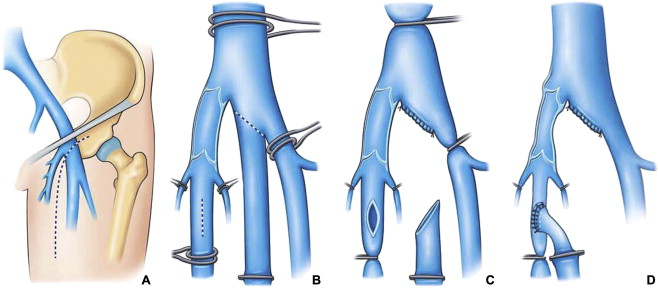
- Vein endo-phlebectomy and patchThis procedure involves the cutting, opening and cleaning of the vein from the remnants of previous blood clots. After the vein has been cleaned, it is closed with a special vein patch to open the vessel. This procedure is sometimes combined with stenting to give the best result.